Moment of Indiana History

Yaël Ksander
WFIU's Arts Desk Editor, Yaël seeks out and shepherds the stories of artists, musicians, writers, and other creative people. In addition, Yaël co-hosts A Moment of Science, writes essays for A Moment of Indiana History, produces Speak Your Mind (WFIU's guest editorial segment), hosts music and news hours throughout the week, and lends her voice to everything from accounting courses to nature documentaries. Yaël holds a MFA in painting from Indiana University, an MA in art history from Columbia University, and a BA from the University of Virginia, where she studied languages and literature.
Recent posts by Yaël
January 27, 2014
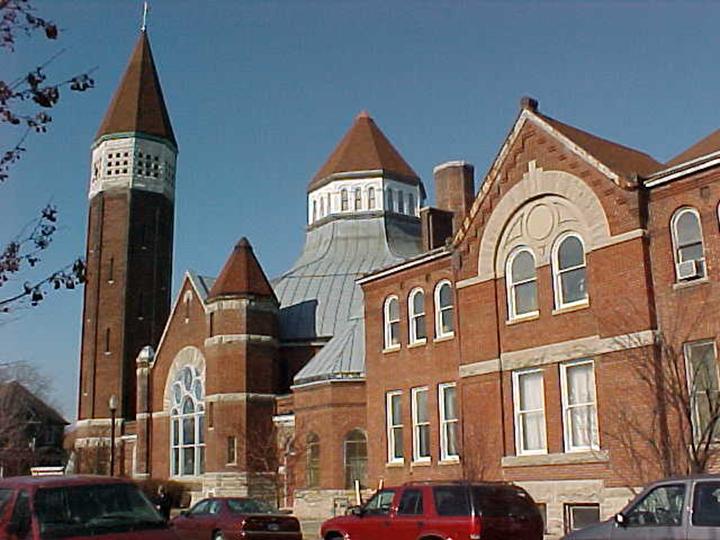
The Second Life Of An Indianapolis Landmark
As demographic change altered the landscape of downtown Indianapolis, the church that had housed Indiana's largest Methodist congregation faced demolition.
January 13, 2014
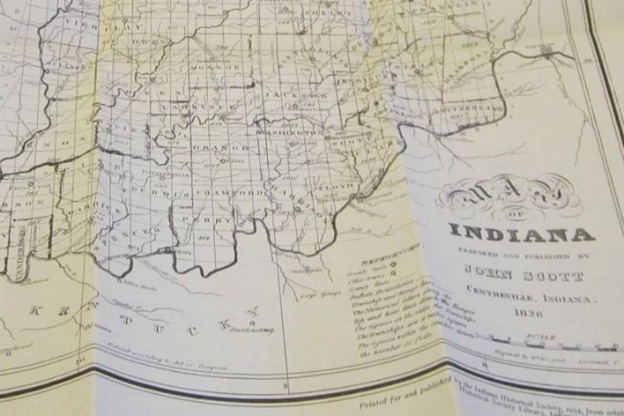
Mapping The Frontier
Gazetteers helped lure settlers westward into the towns of Indiana and other frontier states and gave them concrete information about their destinations.
January 6, 2014
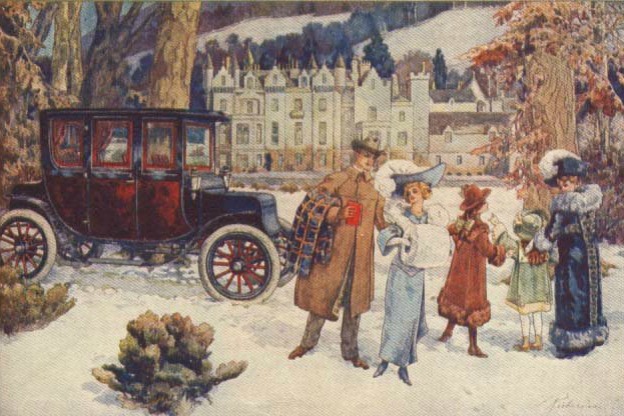
An Avant-Garde Electric Car
Gasoline propulsion claimed the day, and by 1914 the Waverley Electric car went out of production. Turns out, the vehicle was a century ahead of its time.
December 23, 2013
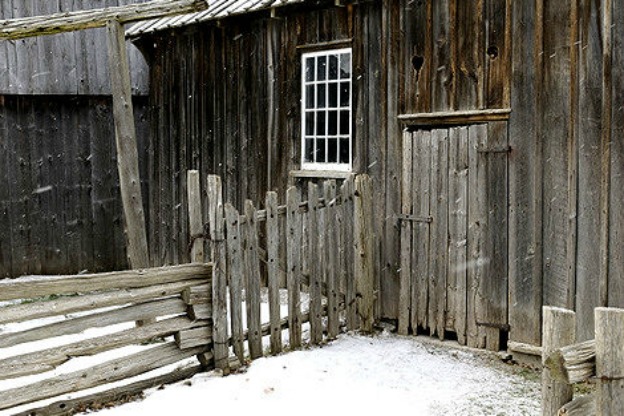
A Subtle Celebration
Christmas in pioneer Indianapolis was a private and almost invisible holiday.
December 16, 2013
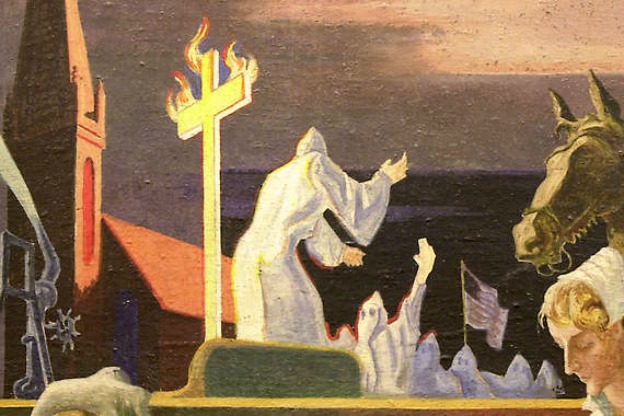
Slaying The Dragon
From small beginnings in 1922, the Ku Klux Klan had attracted an estimated thirty percent of all white males in the Hoosier state onto its membership rolls.
December 9, 2013
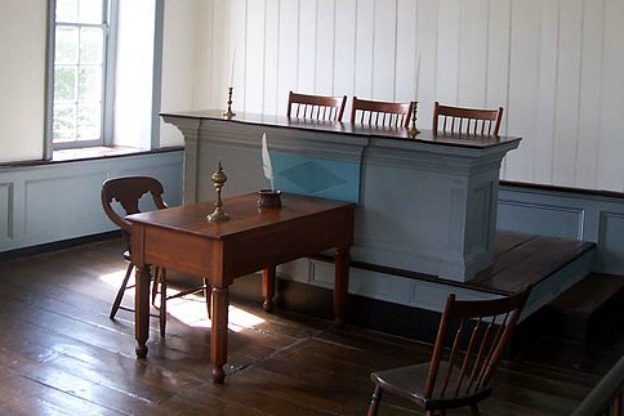
On The Vanguard For African American Rights
At a time when other branches of government proved inconsistent on matters of African American rights, the Indiana Supreme Court steadily upheld human rights.
November 25, 2013
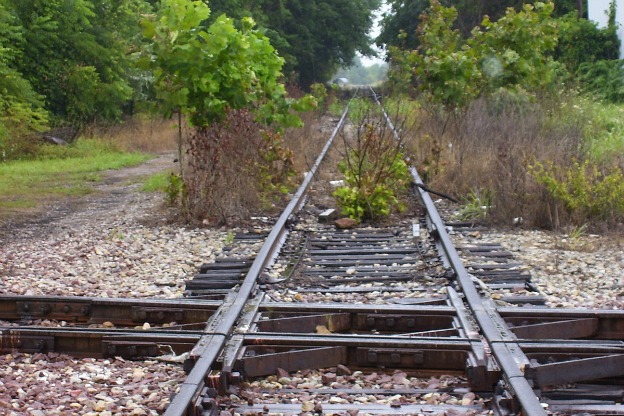
The Legend of Pinhook
During the 1850s, a rail line planned to connect Lafayette and Covington, Kentucky would have stopped at Pinhook. The railroad never materialized.